Why empathy isn't optional in UX
Empathy isn't about being nice, it's about understanding context. On curiosity, observation, and better questions.
Read on UX Studio →Senior Product Designer who starts with the real problem, makes complexity understandable, involves the team in the research and the why, stays close to the outcome, tests early and fails cheap, and keeps learning across disciplines to move faster
I find where the work gets stuck, for a team or for its customers, and design the change that takes it away.
A delivery network, a compliance check, a checkout, an NGO run by volunteers: for over six years I have started with the people inside the system and what they need. Lately I also build it, with AI, all the way to production.







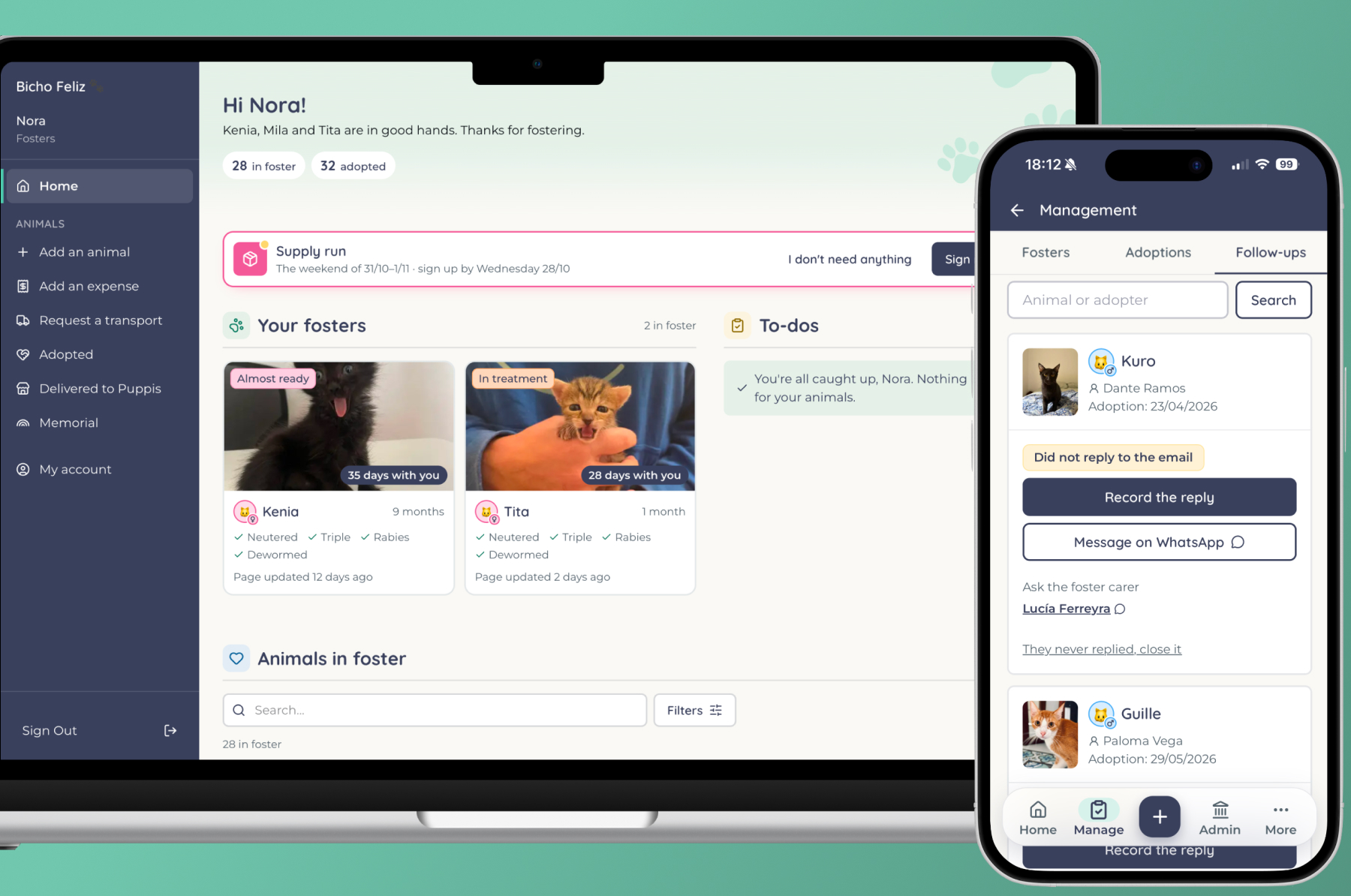
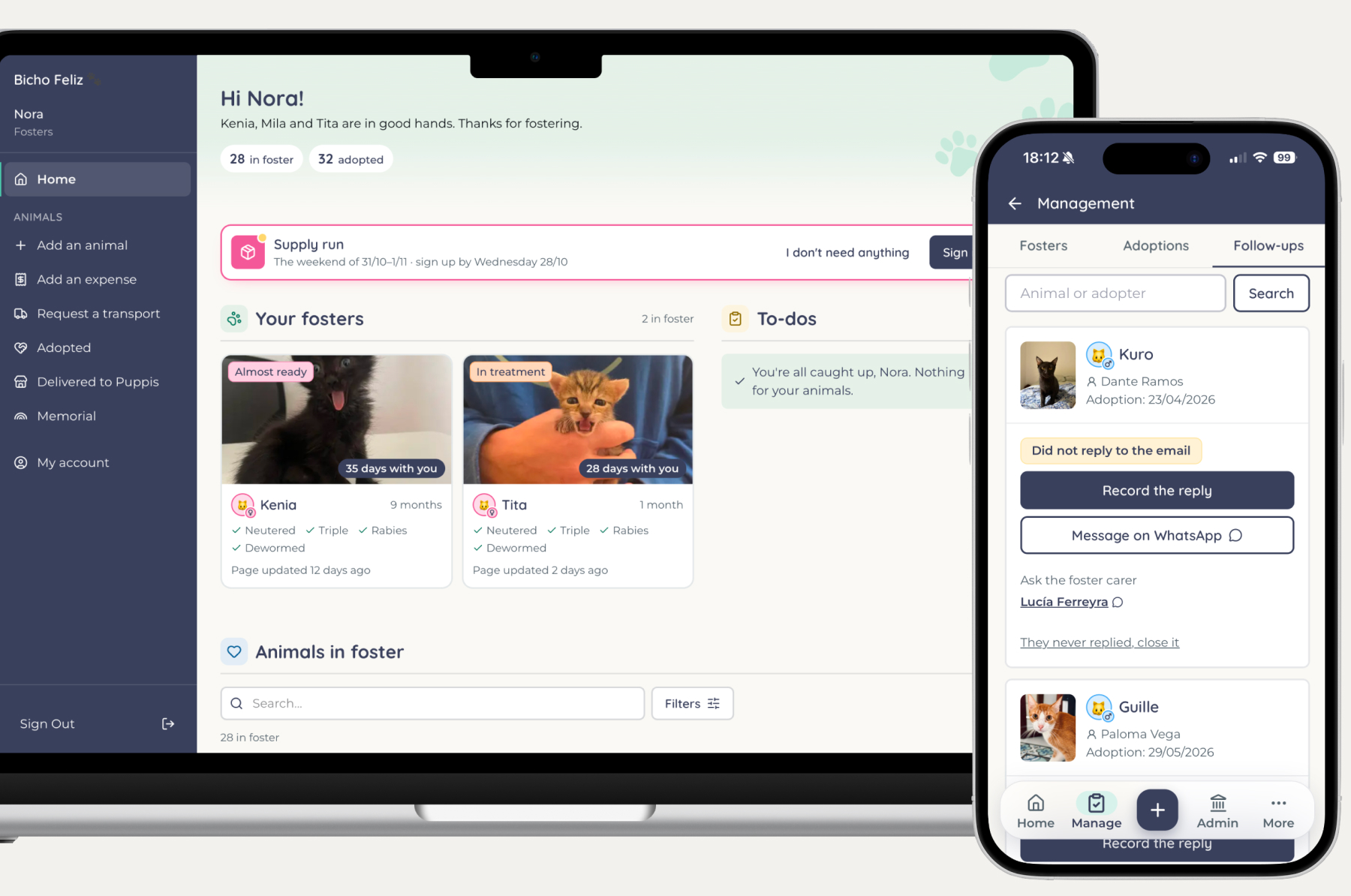
Bicho Feliz NGO · Product Designer and builder, volunteer
95+ animals on record, in use by the whole team since 1 October
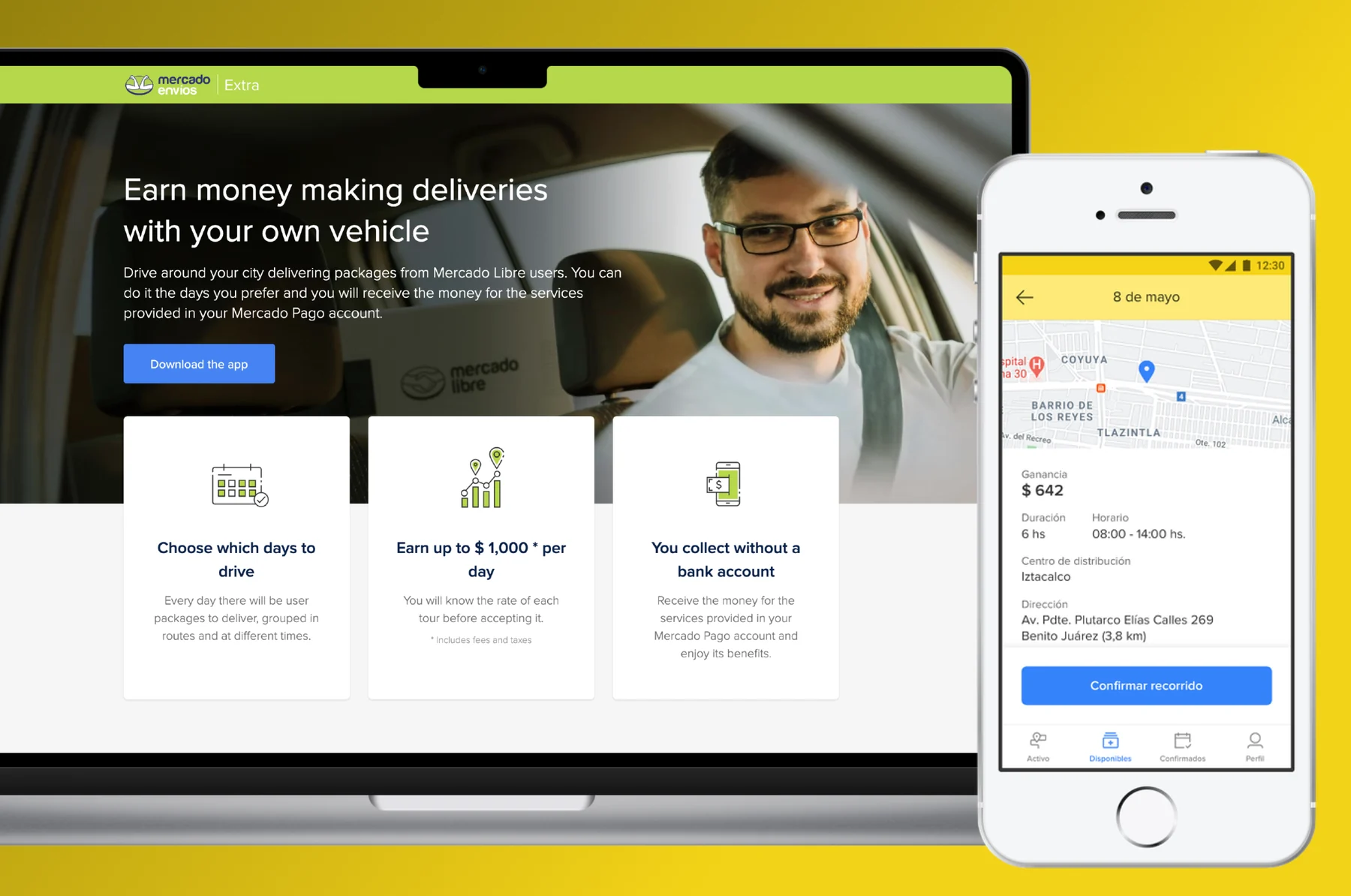
Mercado Libre · UX Content Designer
The network replaced 1 in 3 third-party deliveries
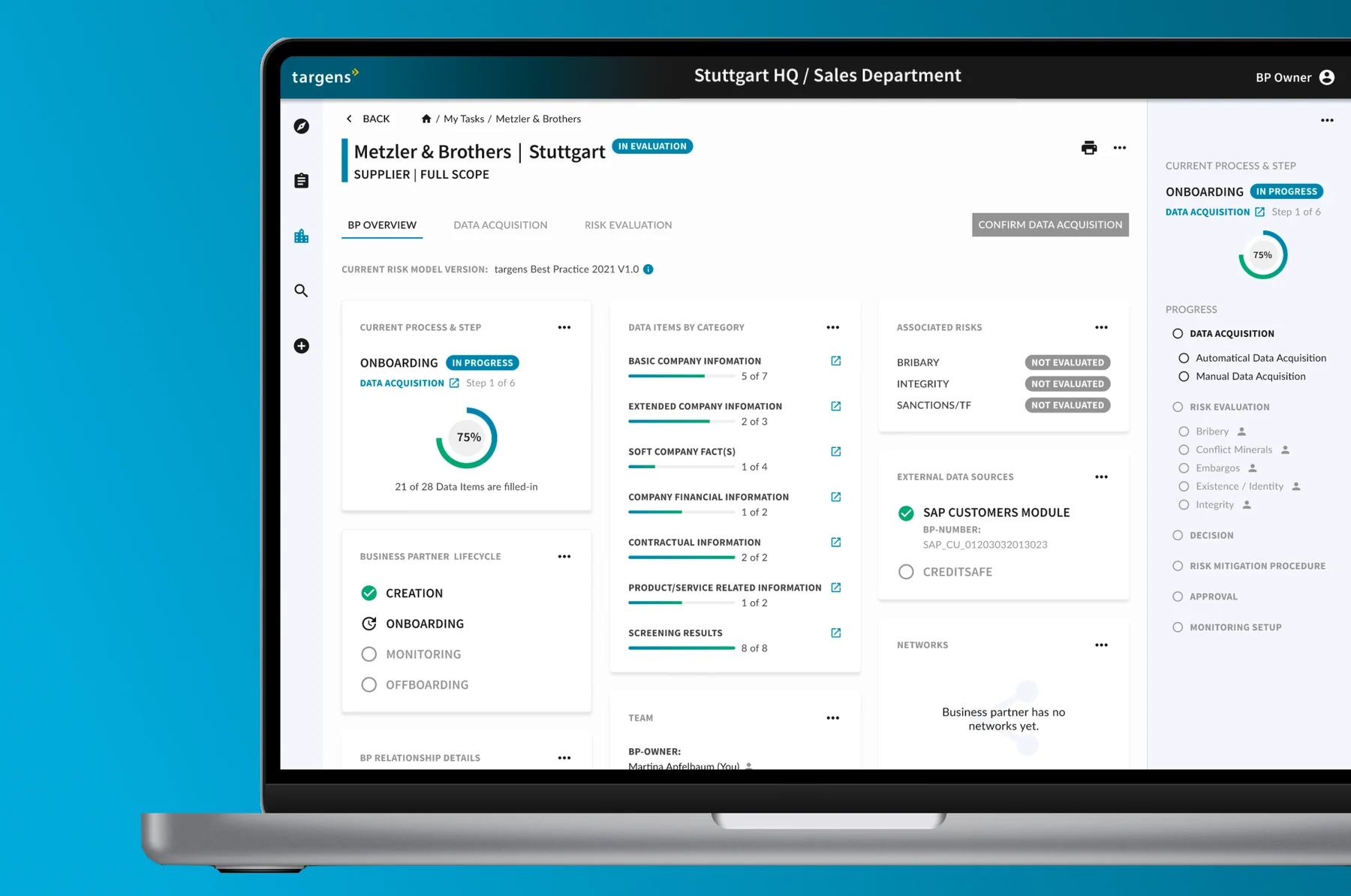
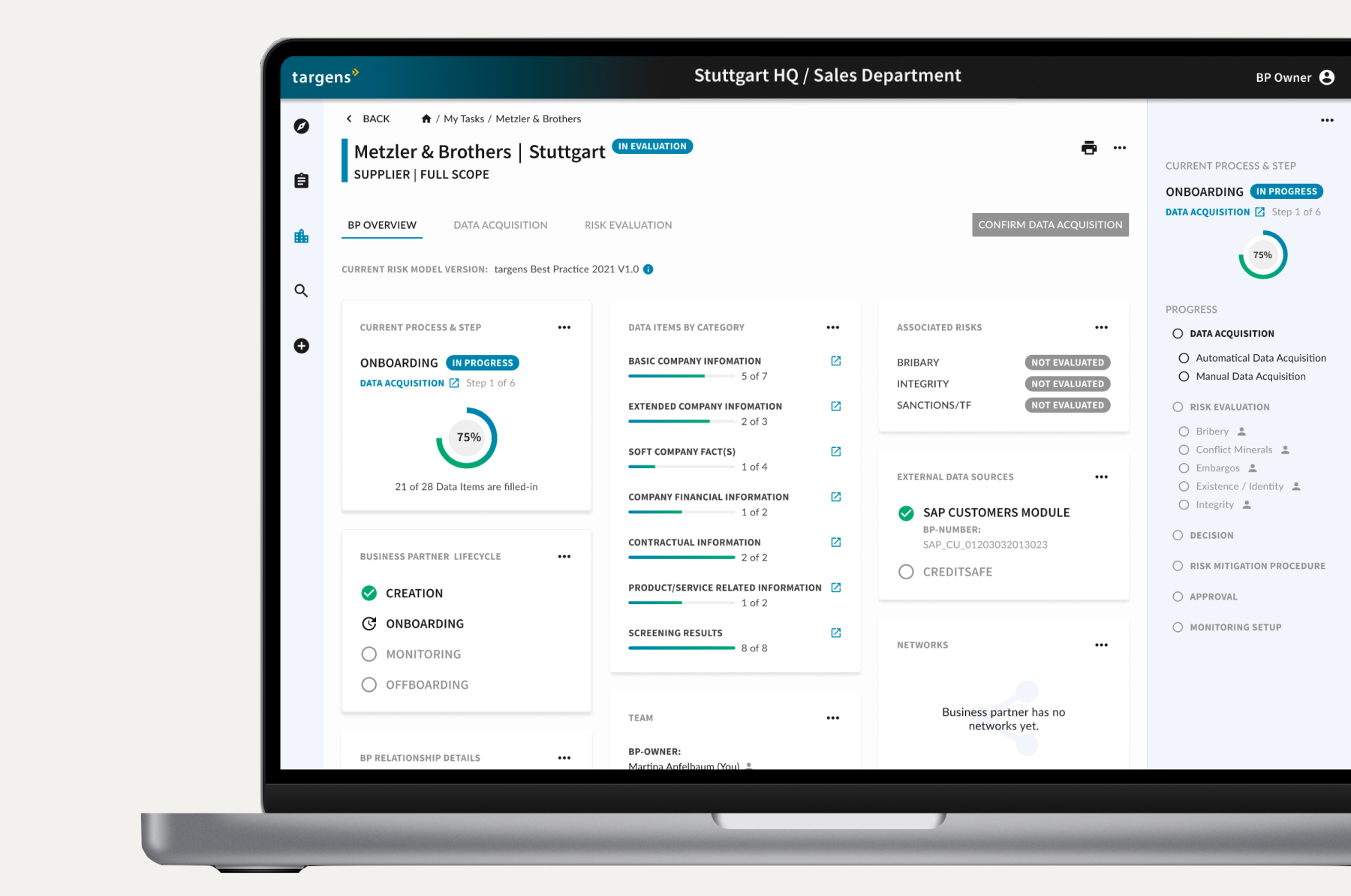
targens, through UX Studio · UX/UI Designer
Launched in July 2022, and the client extended the work at every milestone
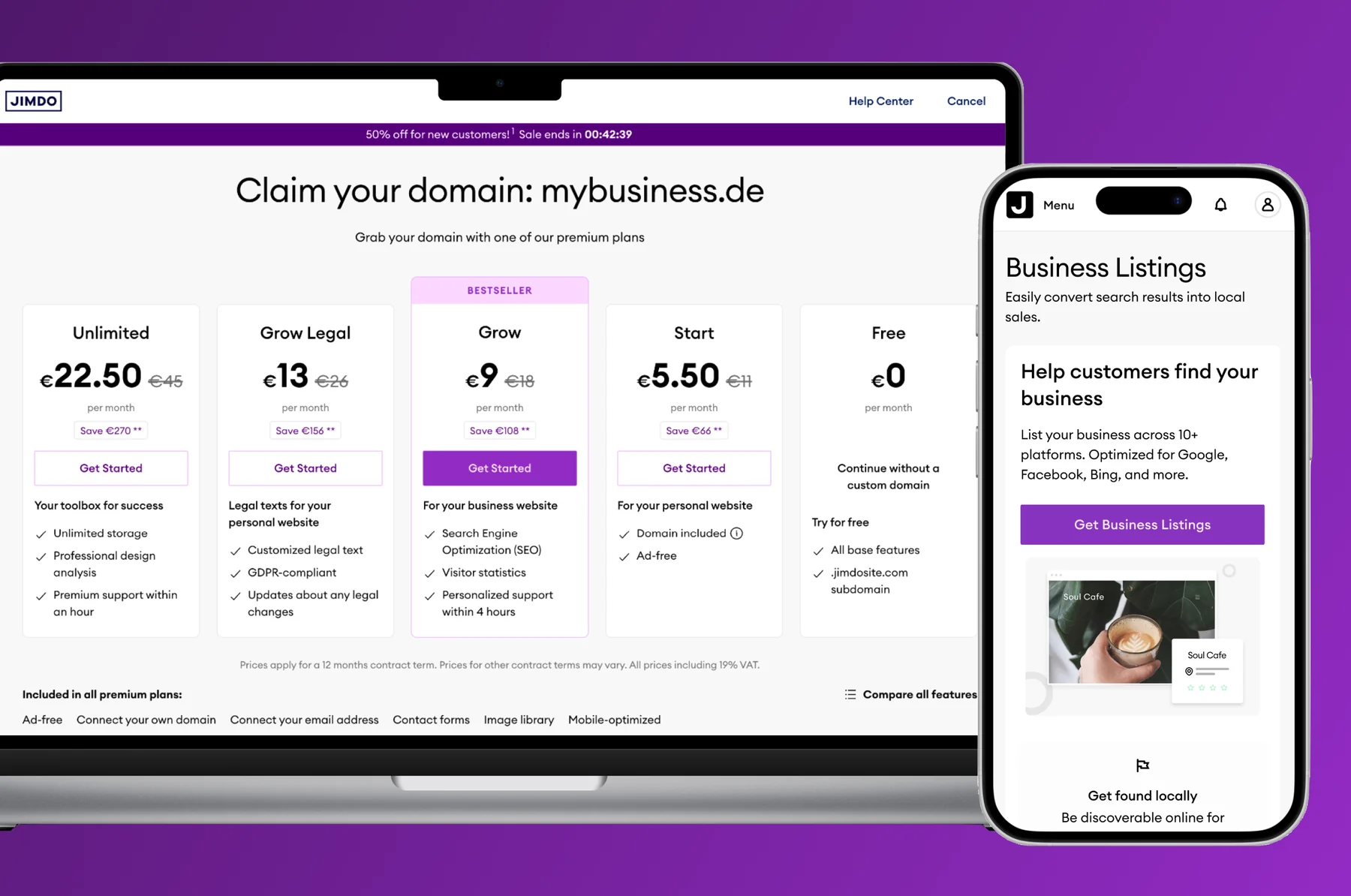
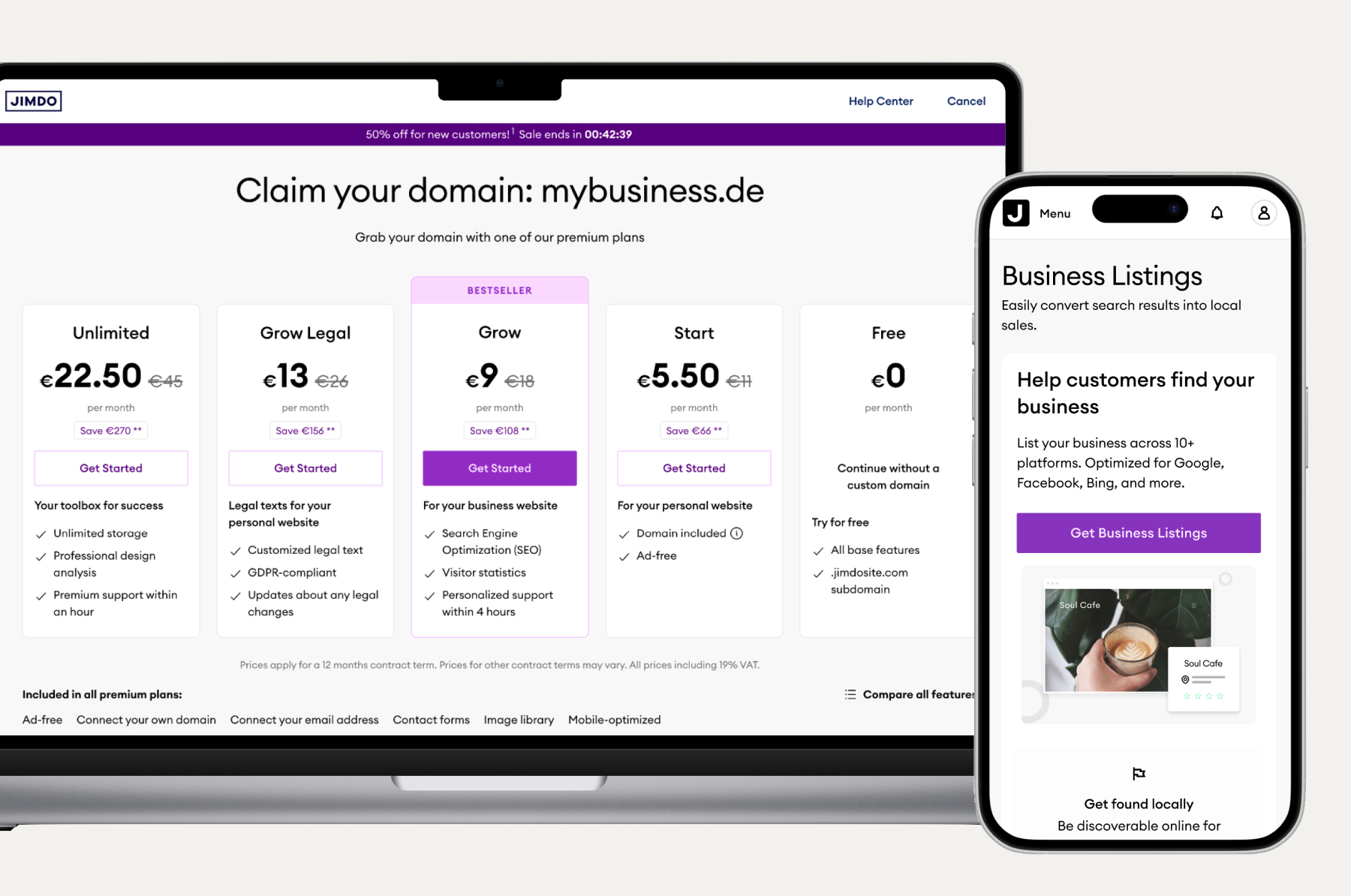
Jimdo · Product Designer, Checkout and Growth
+2% conversion on Business Listings, 10% less drop-off in checkout
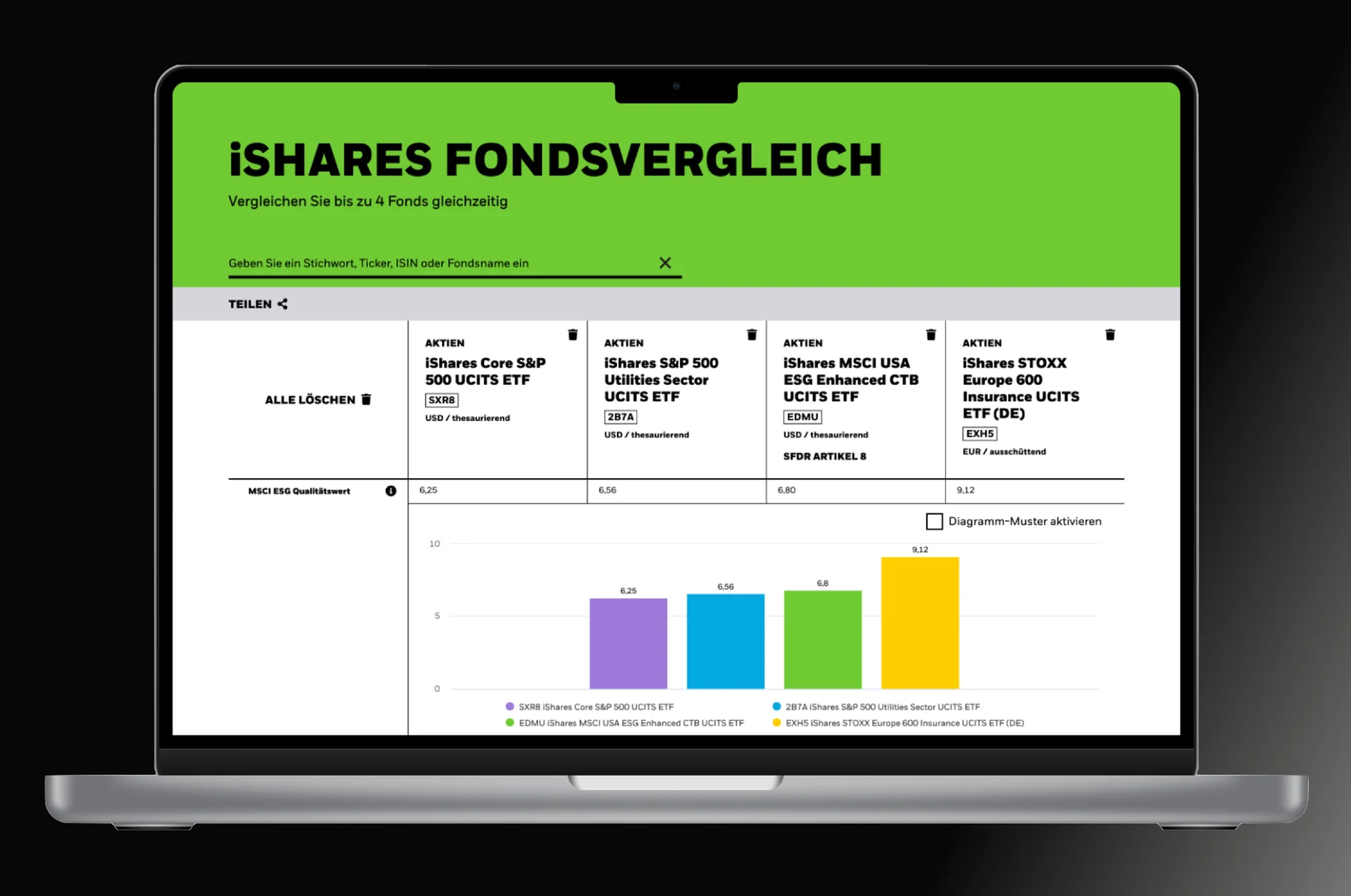
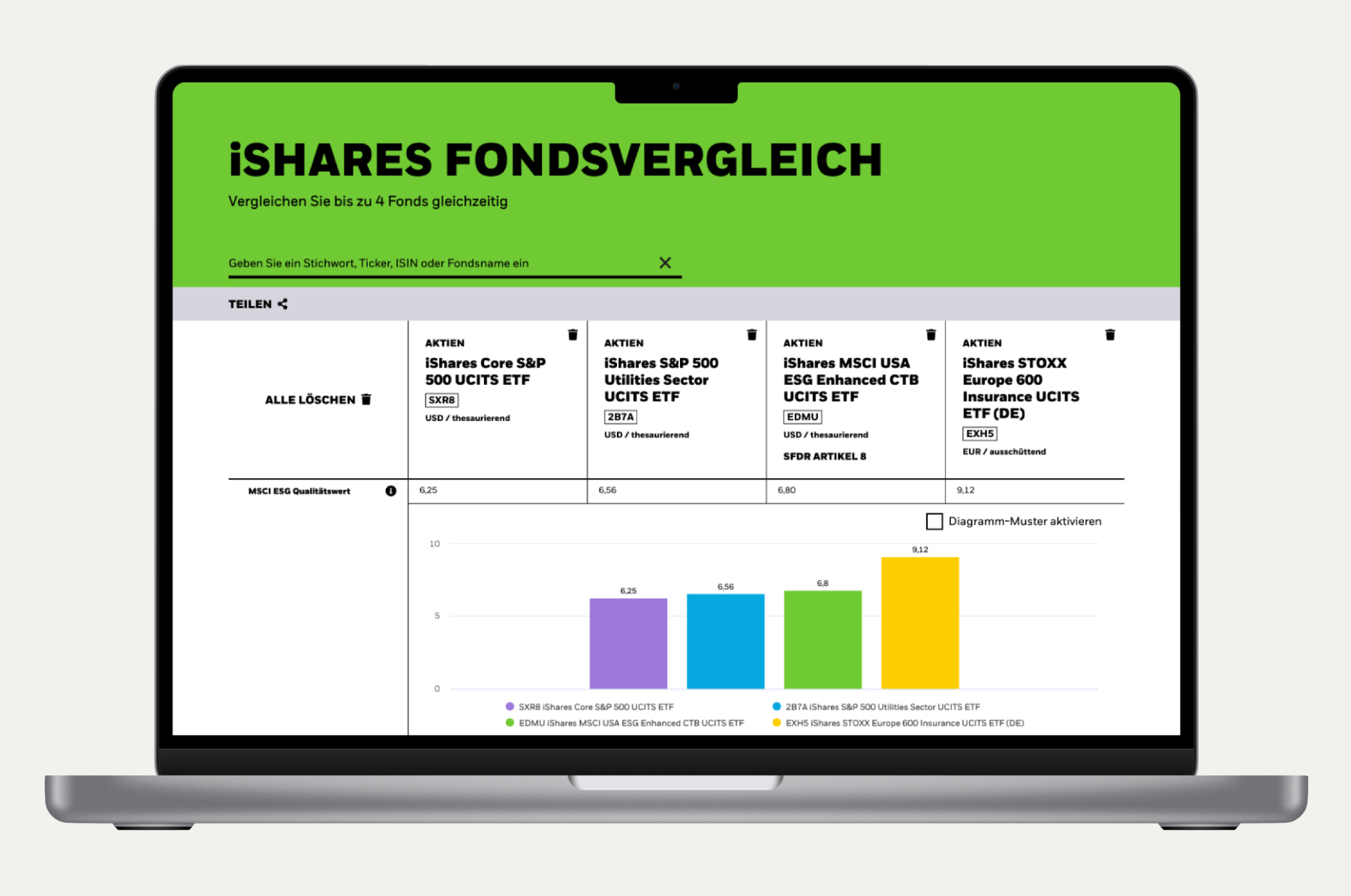
BlackRock iShares · Associate UX Product Designer
The first charts the comparison tool ever had, built to WCAG AA
Before opening Figma I want to understand the people and how they really get the work done, workarounds included.
I map the whole process, then decide at each step what matters now, what can wait and what builds trust.
Feasibility, business and user needs are all part of the design. I bring the team in early to answer all three.
The work continues after delivery. I stay close, test, measure what people actually do and keep iterating.
I keep learning what the rest of the team does, from code to data to AI tools, to collaborate better and move faster.
She ramped up quickly and owned the work end to end, from visual direction to final high-fidelity screens. She consistently brought well-founded proposals and clearly articulated the reasoning behind every recommendation.
Anna Zimenkova | Client, compliance product
She always builds flows designed to make the user effortlessly go through them fast. She's also great at keeping all the design-engineering-product-marketing interactions and conversations aligned.
Elio Rivero | Engineering Manager, Jimdo
She always puts effort into understanding the requirements, and translates them into prototypes/designs with utmost detail. Clients were comfortable working with her and also loved her work.
Karthikeyan Krishnamoorthy | Product Designer, UX Studio
She's super organized and makes handoffs seamless. Her Figma files are the gold standard.
Product Designer | Jimdo
Named quotes are from recommendations on LinkedIn
Both written at UX Studio: empathy when designing, and not leaving content for last.

Empathy isn't about being nice, it's about understanding context. On curiosity, observation, and better questions.
Read on UX Studio →
Products tell a story whether we design it intentionally or not. Why content deserves a seat at the table from day one.
Read on UX Studio →Senior Product Designer, 6+ years across different industries and three countries. I came into this through communication and psychology, and besides designing screens I have always cared about understanding the people I design them for. Everything I have built is a tool somebody uses at work, which is no longer a coincidence.
I am a generalist by choice. Research, roadmap decisions, dev handoff, and increasingly the build itself. I design in Figma and build with Claude Code. Workflows I repeat become Claude Skills, so the AI follows them the same way every time. I move fast without losing structure: Argentina taught me the first part, Germany the second.
What I want next is a team building something that matters to the people who use it at work, with real technical depth, where design is in the room before the problem is decided.
What I am using most right now
 FigmaDesign and libraries
 Claude CodeBuilding and Skills
 GitHubVersioning
Senior Product Designer based in Munich, Germany, designing for complex workflows, technical and data-intensive products: UX research, information architecture, data visualization, design systems, accessibility, prototyping and hands-on building with low-code and code. Experience across logistics, B2B compliance, asset management and SaaS.